
Retailer, reseller, seller: why the difference matters for your pricing
What really separates retailers, resellers and sellers – and why, for brands, the crucial question is knowing who sells your product and at what price.
Read more →Hands-on know-how on pricing, competitor monitoring and market intelligence.
What really separates retailers, resellers and sellers – and why, for brands, the crucial question is knowing who sells your product and at what price.
Read more →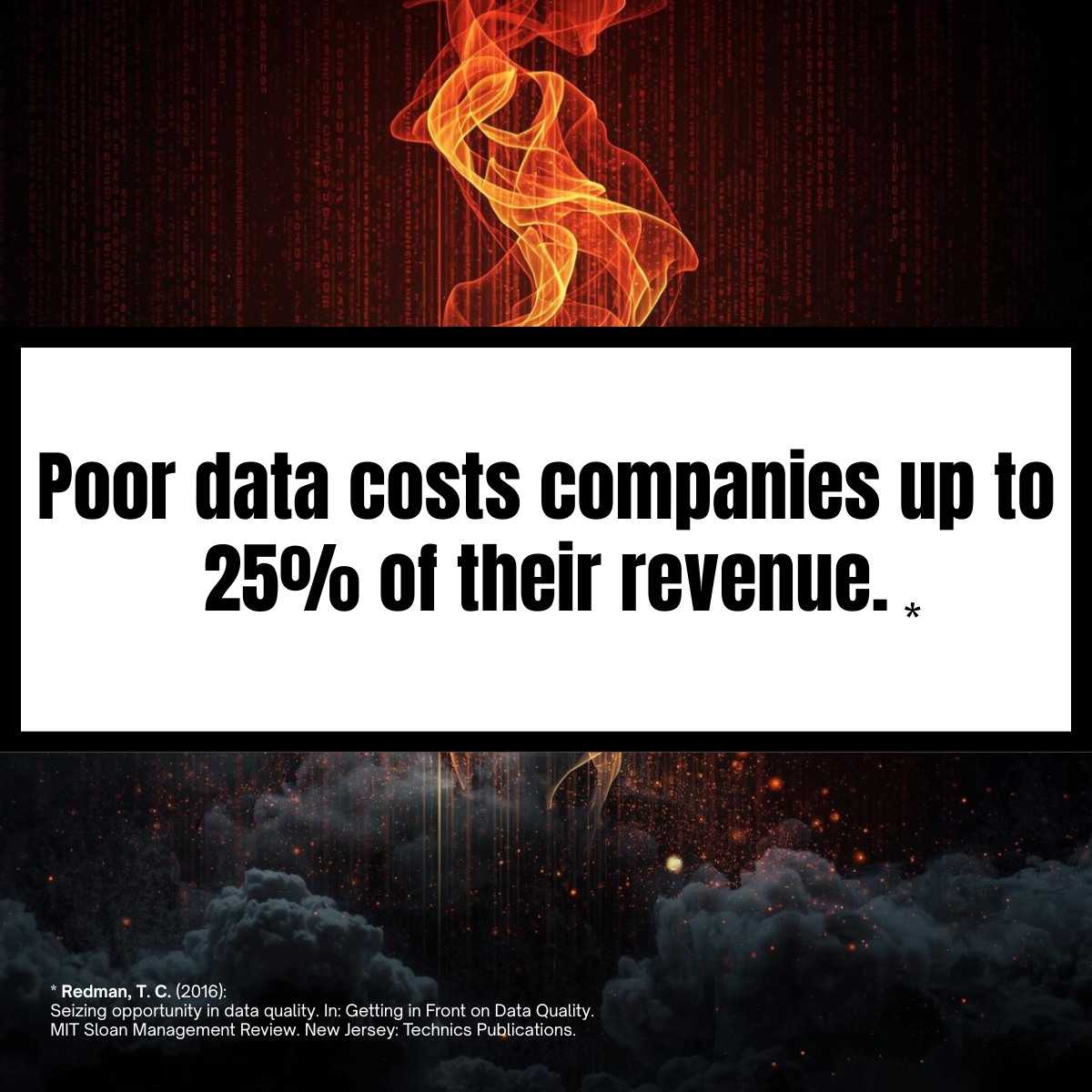
Why gut feeling is no longer enough in retail: How data-driven market transparency strengthens pricing decisions, margins, and competitiveness.
Read more →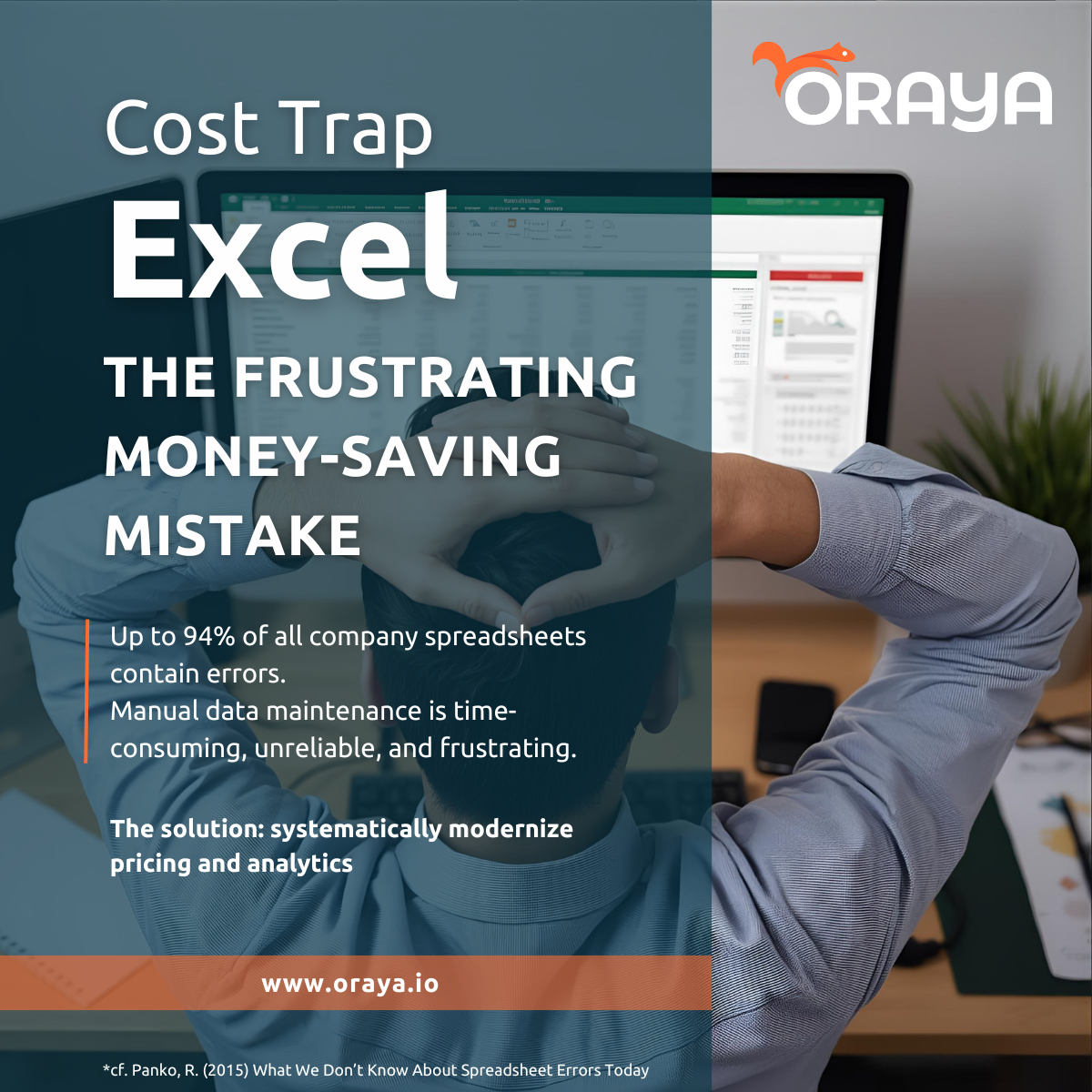
Many companies still rely on manual price lists in Excel because the approach seems inexpensive. In practice, it carries significant hidden costs — from error rates to opportunity costs.
Read more →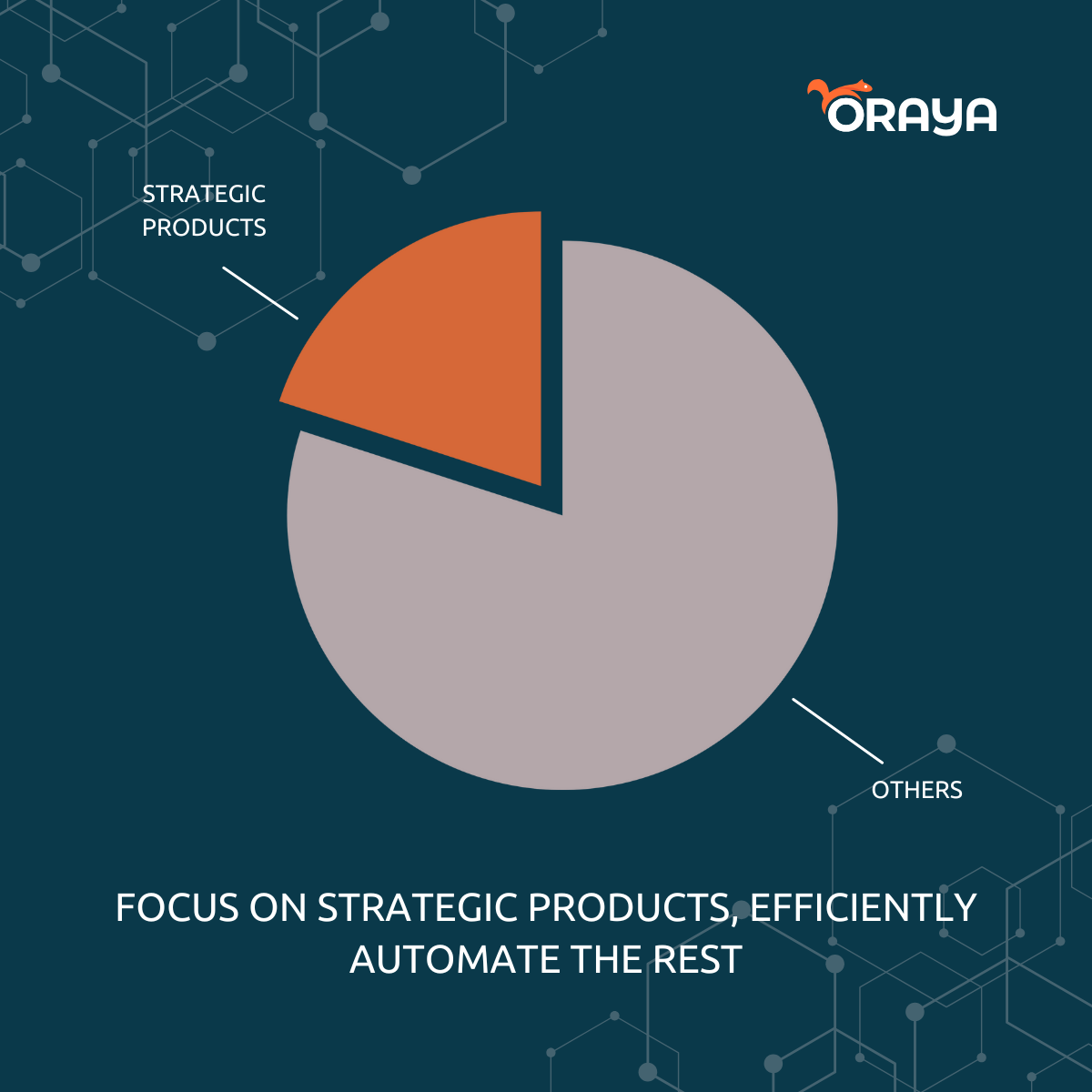
Learn how to distinguish strategic from non-strategic products, focus pricing efforts where they matter most, and use automation to boost profitability.
Read more →
In online retail, prices change within hours – not weeks. Why price transparency is not a luxury but a survival strategy, and what concretely changes when retailers gain a systematic overview of their price position in the market.
Read more →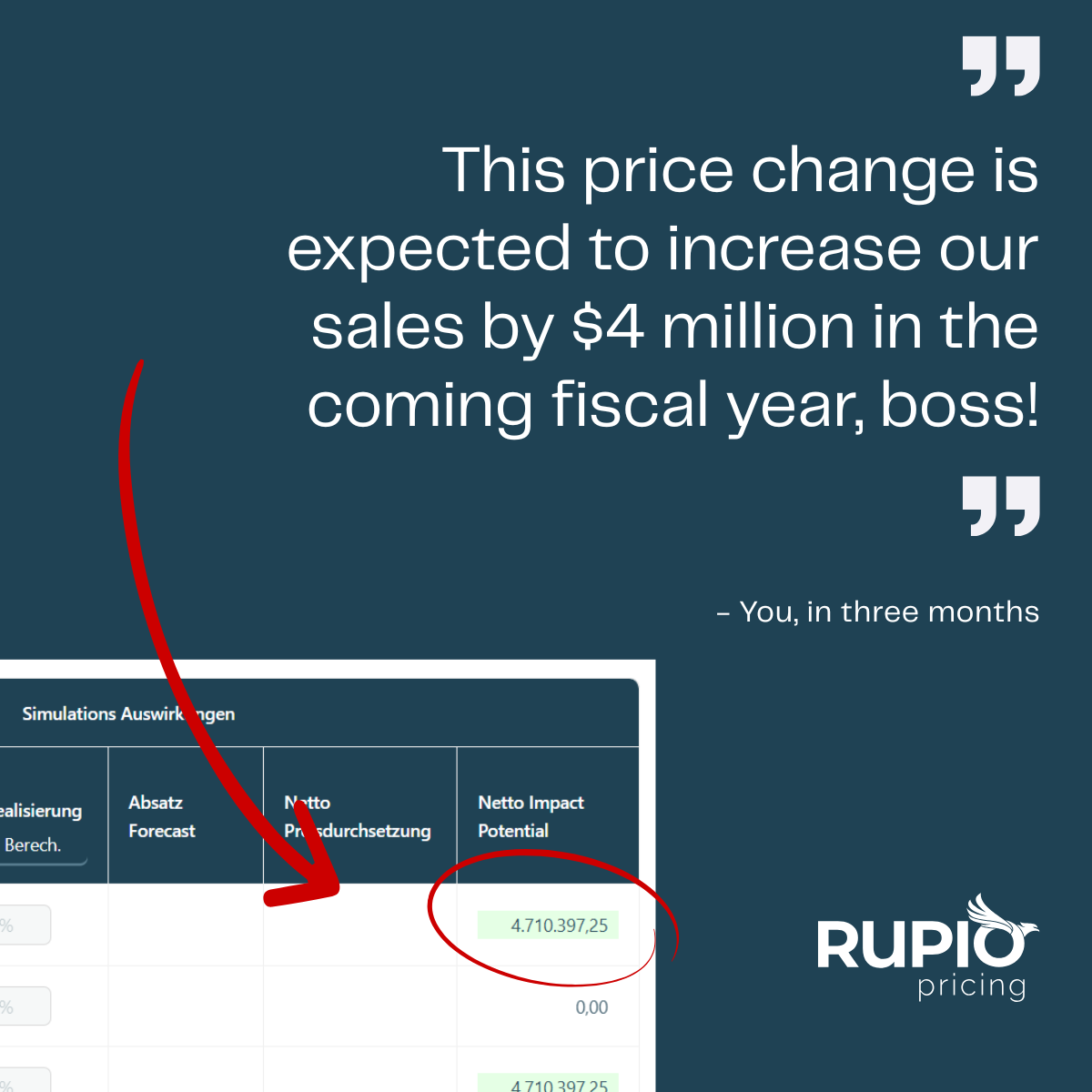
What is the point of increasing a price by 20% if sales drop by 30% at the same time? Why price changes rarely have a linear effect, how to assess their impact on sales and revenue more realistically, and how simulations can help professionalize your pricing.
Read more →
What happens when you trade your desk for nature, barbecues, and deep conversations for a few days? A look back at a special offsite experience by oraya GmbH in Bingen — and what the team takes away from it.
Read more →
Today's customers expect more than just quality products – they want to feel heard, understood, and genuinely valued. Why customer feedback is one of the most important foundations for successful innovation and long-term customer loyalty.
Read more →
In an increasingly data-driven and dynamic market landscape, businesses need to stay on top of their pricing structures. How oraya goes far beyond simple price monitoring — with genuine customer proximity, customized solutions, and a deep understanding of diverse industry needs.
Read more →
Last week, the moment we had been waiting for finally arrived: Rupio – our solution for automated price optimization – went live for our customer. And we were on board from start to finish.
Read more →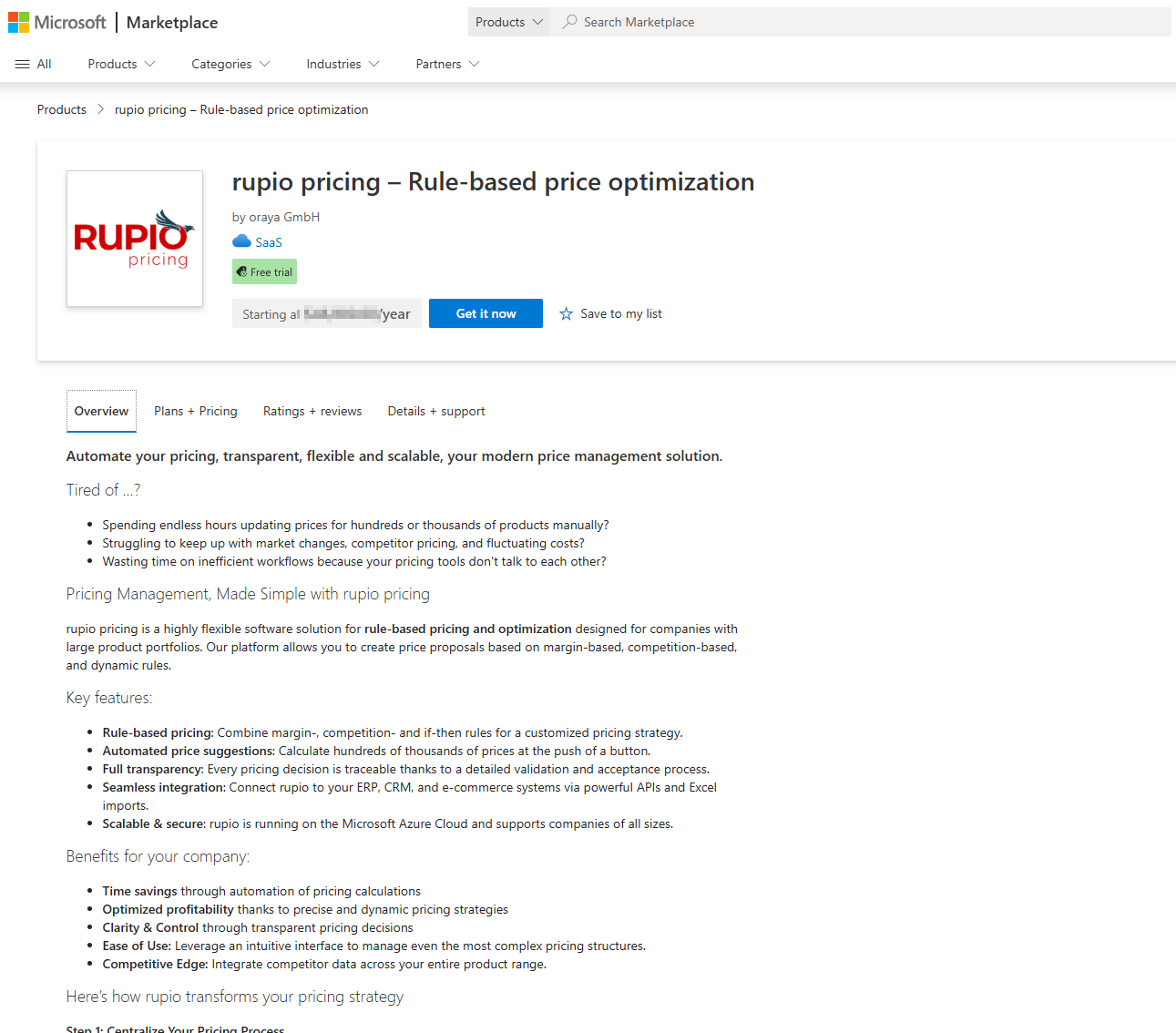
oraya rupio is now listed in the Microsoft Azure Marketplace, making it easier for enterprise teams to access and integrate oraya's rule-based pricing solution while leveraging the scalability and reliability of Azure.
Read more →
Product Life Cycle Management covers every phase from launch to retirement. Learn how the four PLC stages work, why a PLC strategy pays off, and how market and price monitoring data from oraya insights helps manufacturers identify the current product stage.
Read more →
Competitive intelligence is crucial for companies to stay ahead in today's fast-evolving markets. By continuously monitoring competitors, market trends, and new entrants, businesses can anticipate changes, adapt pricing and product strategies, and identify growth opportunities—ensuring long-term success and a strong competitive edge.
Read more →
Market intelligence is essential for data-driven decisions in today's business world. Automated tools save time, reduce errors, and provide continuous market insights, helping companies react quickly to changes.
Read more →
Black Friday is a major global shopping event offering manufacturers and retailers a chance to boost sales and brand visibility through attractive discounts. While participation can increase revenue and customer loyalty, it also brings challenges like intense competition and margin pressure.
Read more →
E-commerce offers companies great opportunities such as global reach, expanded sales channels, and cost savings, but also poses risks like intense competition, logistics challenges, and regulatory issues.
Read more →
Effective pricing strategies require relevant data and comprehensive market insights. This article explores how market intelligence technology supports each phase of the pricing decision process – analysis, planning, implementation and control.
Read more →
Effective product positioning in marketplaces requires understanding market trends and competitor pricing.
Read more →
Ensuring the correct display of the recommended retail price (RRP) on third-party platforms like Amazon is vital for maintaining customer trust, brand consistency, and competitive advantage.
Read more →
Manufacturers benefit from monitoring the assortments of their B2B customers to tailor products and respond to trends, enhancing customer loyalty and market relevance.
Read more →
Retailers sell products directly to end customers, while resellers buy products in bulk to sell them on, often acting as intermediaries. The term seller broadly covers anyone who sells goods or services across various channels.
Read more →
Understanding competitors' recommended retail price (RRP) levels is essential for manufacturers to stay competitive and maximize profits.
Read more →
Idealo is one of Germany's leading price comparison platforms, widely used by consumers to find the best deals across many product categories like electronics, fashion, and home goods.
Read more →
Pricing research helps e-commerce companies find the best prices that attract customers while maximizing profits. It provides insights into market trends, competitor pricing, and customer behavior.
Read more →
Understanding and identifying comparable products in the market is crucial for business success. It helps companies analyze customer preferences, trends, and competitor strengths to refine pricing, marketing, and product strategies.
Read more →
Pricing is a key driver of business success, directly impacting profitability and competitiveness. Developing an effective pricing strategy starts with a clear corporate vision and alignment with business goals, whether focusing on premium margins or market share growth.
Read more →
Google Shopping connects buyers and sellers via visually rich product listings on Google's search results, using a pay-per-click model. It's a powerful sales channel for manufacturers and retailers to increase visibility and reach targeted customers.
Read more →
Unauthorized sellers can harm brand reputation and reduce sales by offering counterfeit or discounted products. To combat this, companies use legal actions like cease-and-desist letters and work with online marketplaces to remove such sellers.
Read more →
Digital business models shape pricing strategies by defining customer value and sales channels. Value-based pricing sets prices according to product benefits, while dynamic pricing adapts prices based on demand and competition using AI.
Read more →
Realistic RRPs help build trust, customer loyalty, and brand credibility. Manual pricing is slow and error-prone. Using oraya insights enables market-based, competitive pricing through data analysis, protecting brand image and boosting success.
Read more →
Price elasticity measures how demand changes when prices change—high elasticity means demand is sensitive to price changes, low means demand is stable.
Read more →
Otto is one of Germany's largest and most popular online marketplaces, offering a wide product range and a growing user base. It provides manufacturers and retailers a strong platform to reach broad audiences with established consumer trust.
Read more →
In retail, various price forms play a crucial role in attracting customers, increasing sales and remaining competitive. The most important price forms include the selling price, the strike price, the offer price, the reference price and the base price.
Read more →
International trading offers growth opportunities but poses pricing challenges across multiple countries and products. Without systematic market insights, companies risk setting prices too high (losing sales) or too low (hurting margins).
Read more →
Marketplaces like Amazon are rapidly growing and offer vast reach. Prices change constantly, so continuous monitoring is crucial. oraya provides automated SaaS tools for real-time price tracking, helping retailers and manufacturers stay competitive.
Read more →
Manual competitor price monitoring is time-consuming and prone to errors due to scattered and inconsistent data sources. Automated solutions like oraya insights and copio analytics systematically collect validated primary data from online stores, marketplaces, and manufacturer sites.
Read more →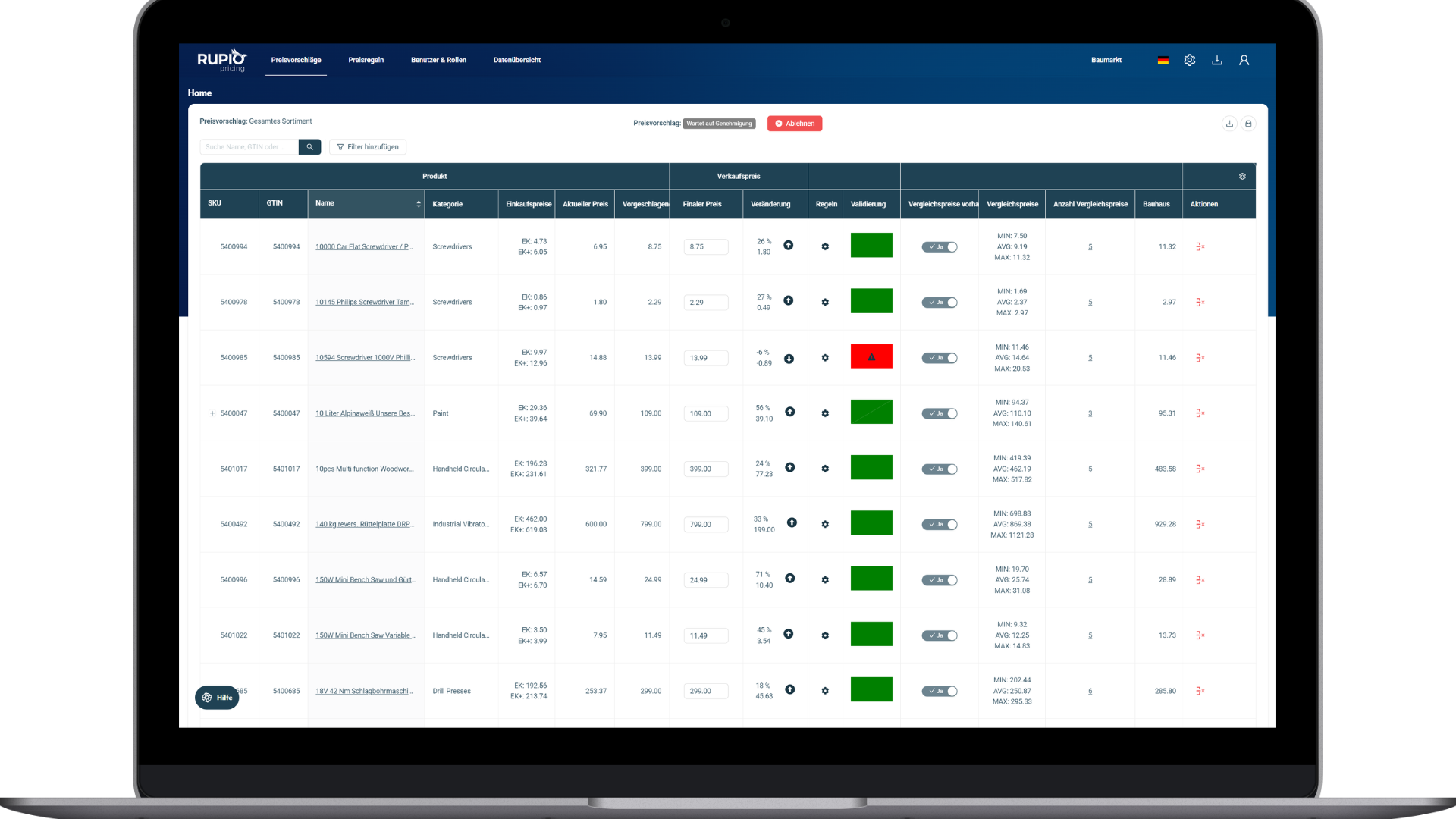
Cloud-based tools like oraya insights, copio analytics, and rupio give retailers and manufacturers full visibility over market trends, competitor activity, and pricing—automated, scalable, and accessible anytime.
Read more →
How automated price monitoring keeps companies informed in real time about competitors' price changes – with configurable notifications, reports and filters.
Read more →
How manufacturers can identify unofficial grey market competitors, optimize pricing, and ensure product availability using oraya insights to defend the aftermarket and maintain a competitive edge.
Read more →
Incorrect RRPs on Amazon can lead to legal and competitive risks. This case study shows how a major organic food retailer used oraya's technology to detect deviations, correct misrepresentations, and reduce liability.
Read more →
Why systematically checking new product releases from other brands matters – and how automated market and price monitoring helps spot trends early and sharpen your strategy.
Read more →
How traditional retail stays competitive with digital business models like e-commerce and marketplaces – including SWOT analysis, omnichannel and market monitoring.
Read more →
What assortment analysis covers and the benefits it delivers – competitive analysis, trend identification, product and price evaluation – plus methods and how copio analytics automates it.
Read more →
Pricing high-end products like luggage is a balancing act. How one manufacturer used oraya insights to improve pricing communication and increase retailer adoption of recommended prices.
Read more →
How businesses boost visibility and sales by monitoring price comparison engines and making real-time price adjustments to stay competitive.
Read more →
Why frequent discounting hurts margins, brand value and long-term profitability – and why strategic price management is the smarter, more sustainable alternative.
Read more →
How European marketplaces like Amazon, Otto and Kaufland help businesses expand reach and sales – and why price monitoring tools like copio analytics keep you competitive.
Read more →
How strategic procurement helps retailers negotiate better supplier contracts – market monitoring and centralized control increase transparency and buying power.
Read more →
The opportunities and challenges of multichannel retailing – selling across platforms, plus key issues like system integration, consistent pricing and data discrepancies.
Read more →
Explores the potential of the German e-commerce market – high internet penetration, above-average online spending and a digitally savvy consumer base.
Read more →
What online marketplaces are and why they are crucial sales channels – greater reach, lower costs, improved brand visibility and access to real-time data.
Read more →
How the Average Selling Price (ASP) helps retailers and manufacturers understand market dynamics, set competitive prices and align with customer expectations.
Read more →
How a furniture manufacturer boosted sales and margins with copio analytics – 270% more sales in three months and an 80% higher contribution margin.
Read more →
What GTINs are, how they're structured and obtained, and why they're essential for automation and transparency in online retail – enabling precise market and price monitoring across platforms.
Read more →
How manufacturers keep track of resellers, brand presence and recommended prices – and how real-time monitoring delivers full market transparency at scale.
Read more →
How price positioning shapes competitiveness, margins and customer perception – plus strategies like cost-plus, penetration pricing, price skimming and bundling.
Read more →
Manual market monitoring means high time effort, low data coverage and frequent errors – automated tools like web scrapers enable faster, more accurate and scalable competitor analysis.
Read more →
The difference between web crawling and web scraping – and how scraping powers pricing analysis, market monitoring and lead generation.
Read more →
The major market challenges manufacturers face today – unauthorized sellers, price alignment and transparency in international markets – and how market monitoring helps.
Read more →
Unauthorized sellers undercut prices and erode trust. How to monitor online channels, spot suspicious listings and protect your authorized dealer network.
Read more →
How a logistics company used oraya's solution to automate and optimize its B2B customer acquisition – with 23% new-customer growth and ROI within three months.
Read more →
Using dedicated data collection to detect market trends early – across marketplaces, competitive assortments and market changes – for confident, long-term planning.
Read more →
What a retail competitor analysis covers – product, assortment, price and delivery terms – and how automation keeps you ahead.
Read more →No articles with this keyword.