Development of retail business models
How traditional retail stays competitive with digital business models like e-commerce and marketplaces – including SWOT analysis, omnichannel and market monitoring.
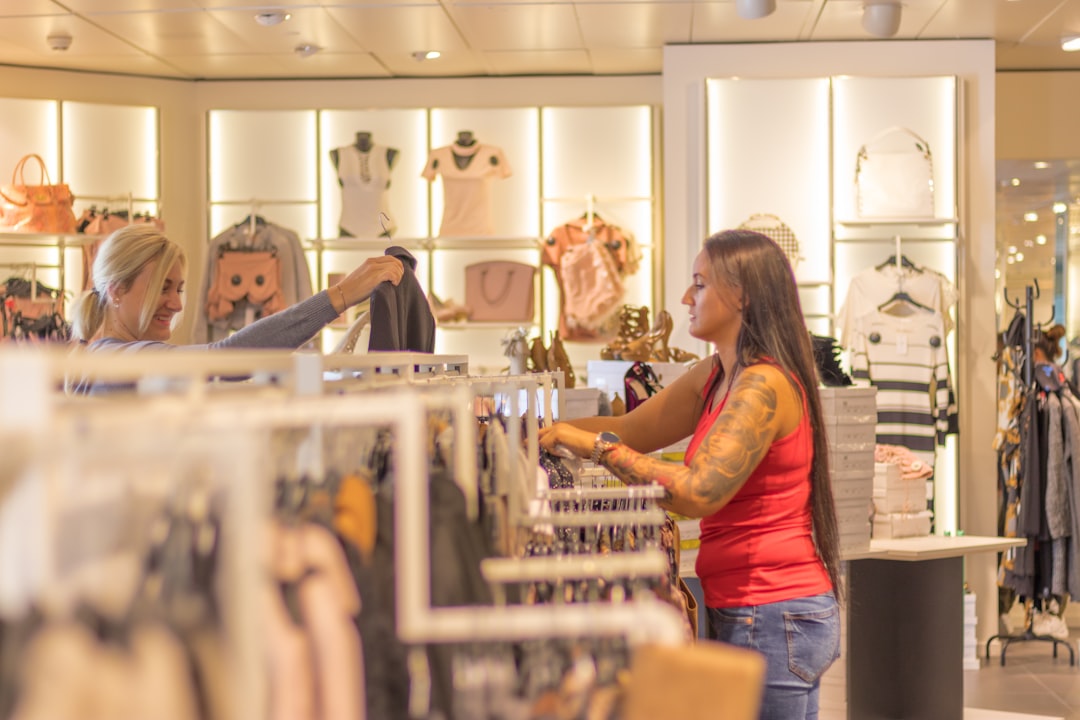
Classic retail is facing major challenges, as it continues to lose market share to e-commerce. Retailers who cling to the status quo and are unwilling to innovate will have a hard time in the future. Does this mean every retailer has to jump on the e-commerce bandwagon to keep up? In a sense, yes. At the very least, the traditional retailer with a brick-and-mortar store should consider digital add-on offerings. Which business model is right for them depends entirely on the industry, their individual situation and the retailer’s goals.
Which business models are suitable for retail?
The most widespread digital business models for retail are e-commerce and the marketplace model. Before a retailer digitizes their business, they first need an idea of what the digital add-on offering should look like. They also have to ask themselves whether they only want to reach their local customer base or also customers outside their catchment area. This determines whether they “merely” add an online shop to their physical store or also present their assortment to a non-local audience. If they aim for the latter, they should look into the marketplace model. Here they can sell their products via large marketplaces such as Amazon. This quickly gives their offering a considerably greater reach. However, they can only benefit from this if they know the competition and make their offering correspondingly attractive.
Take, for example, a shoe retailer who sells fashionable designer shoes from selected brands. The retailer should then know which models are performing particularly well elsewhere, whether there are currently campaigns for certain brands or models, and how prices have developed among competitors. Monitoring the competition, however, means additional effort that goes beyond creating and maintaining a shop page. If they want to improve the future prospects of their business, the retailer must not be content with the status quo.
How do I structure my business model?
At the beginning of developing new business strategies, a SWOT analysis should be carried out. This presents the strengths, weaknesses, opportunities and threats of a business model within a matrix. With the help of the analysis, you can quickly find out which measures might be necessary to get on the road to success. If, for example, there is the external risk of existing competition, this by no means signifies hopelessness. Rather, this risk can be significantly reduced through consistent market monitoring.
If the products sold have a unique selling point, the retailer can focus more on marketing it. With mass-market products, however, things look somewhat different. The less individual the products and services sold are, the more the market must be monitored.
Solutions for developing innovative business models in retail
- Agility and willingness to experiment: In the fast-paced retail environment, it is crucial that companies are willing to try out new ideas. This can include introducing new products or services, redesigning the store layout, or implementing innovative sales and marketing strategies. Experiments can also yield valuable insights that help continuously improve the business model and meet customers’ changing needs.
- Omnichannel strategy: The seamless integration of online and offline channels is an important step in meeting the needs of today’s consumers. Retailers should offer consistent customer experiences across different channels and create a coherent brand experience.
- Partnerships and collaborations: Working with other companies, whether technology companies, start-ups or other retailers, can lead to innovative business models. Partnerships and collaborations open up opportunities for retailers to gain access to new technologies, expertise and customer bases that they might not reach on their own. Through joint efforts, innovative business models can be developed that meet the challenges of retail and promote the company’s success.
Developing business models in retail comes with various challenges, but also with many opportunities for innovation. Retailers who are willing to adapt to change and pursue innovative approaches can succeed and meet consumers’ evolving needs. Through a customer-centric approach, the integration of online and offline channels, partnerships and an agile mindset, retailers can lay the foundation for sustainable growth and long-term success.
For oraya, market monitoring is a central building block of its Market Intelligence solutions. Whether we need to keep an eye on just specific products, entire markets or sub-markets, we always deliver excellent analytical data you can rely on. You can get more details about our SaaS solutions and market monitoring methods for your business success by contacting us.